

 Call us
 Email us







£0.00
0Evo Skate Buyer’s Guide

Choosing the Right Skate or Dolly for Heavy, Awkward & Valuable Loads
Introduction
Moving heavy or awkward items safely is not always simply a question of strength. The type of skate or dolly used can affect stability, manoeuvrability, floor protection and overall control during transport.
Whether you are planning to move heavy furniture, upright pianos, office equipment, safes, vending machines or industrial machinery, choosing suitable equipment can help make the task more controlled and predictable.
This guide draws on practical handling considerations commonly encountered when using systems such as Evo Skate furniture skates and AluTruk & Evo Skate piano dollies. The focus of this guide is low-profile skate and dolly systems rather than forklifts, pallet trucks or general lifting equipment.
What’s in this guide?
- Quick decision guide
- What are you planning to move?
- What is the difference between a dolly, a skate and a furniture mover?
- When simpler systems are suitable
- Choosing for Load weight, stability & size
- Planning the route
- Choosing wheels & castors
- Platform surfaces (grip)
- Using skates & dollies effectively
- When to step up to heavier-duty systems
- Care, inspection & storage
- FAQs
- Further reading
Quick Decision Guide
| If You Are Planning To Move | Often Considered |
| Upright pianos | Piano dollies |
| Heavy furniture | Furniture skates |
| Filing cabinets or office equipment | Furniture skates or furniture movers |
| Repeated commercial loads | Furniture movers |
| Across sensitive flooring | Non-marking wheels or floor protection |
| Large concentrated loads eg vending machines | Specialist systems such as Skoots |
| Multi-tonne industrial equipment | Machine skates |
The most suitable solution depends on load weight, stability, floor surfaces, route conditions and frequency of use.
What Are You Planning To Move?
The type of item being moved is one of the most important factors when choosing a skate or dolly system. Two loads may weigh the same, but behave very differently depending on their size, shape, balance and footprint.
A piano and a vending machine may create completely different handling challenges despite having similar weights. Some loads are tall and top-heavy, while others place significant weight into a relatively small footprint.
Furniture & Cabinets
Large furniture items such as wardrobes, sideboards, desks and cabinets are often moved using low-profile furniture skates or dollies. In many situations, the size and stability of the item matter as much as the overall weight.
Doorways, tight turns and floor protection requirements can all influence which type of equipment is likely to suit the task best.
Upright Pianos
Pianos combine concentrated weight with height and delicate finished surfaces. Stability, controlled handling and floor protection often become more important than simple load capacity alone. Piano dollies are commonly used where low-profile stability and manoeuvrability are important, particularly in tighter indoor environments or where delicate flooring needs protection.
Appliances, Safes & Concentrated Loads
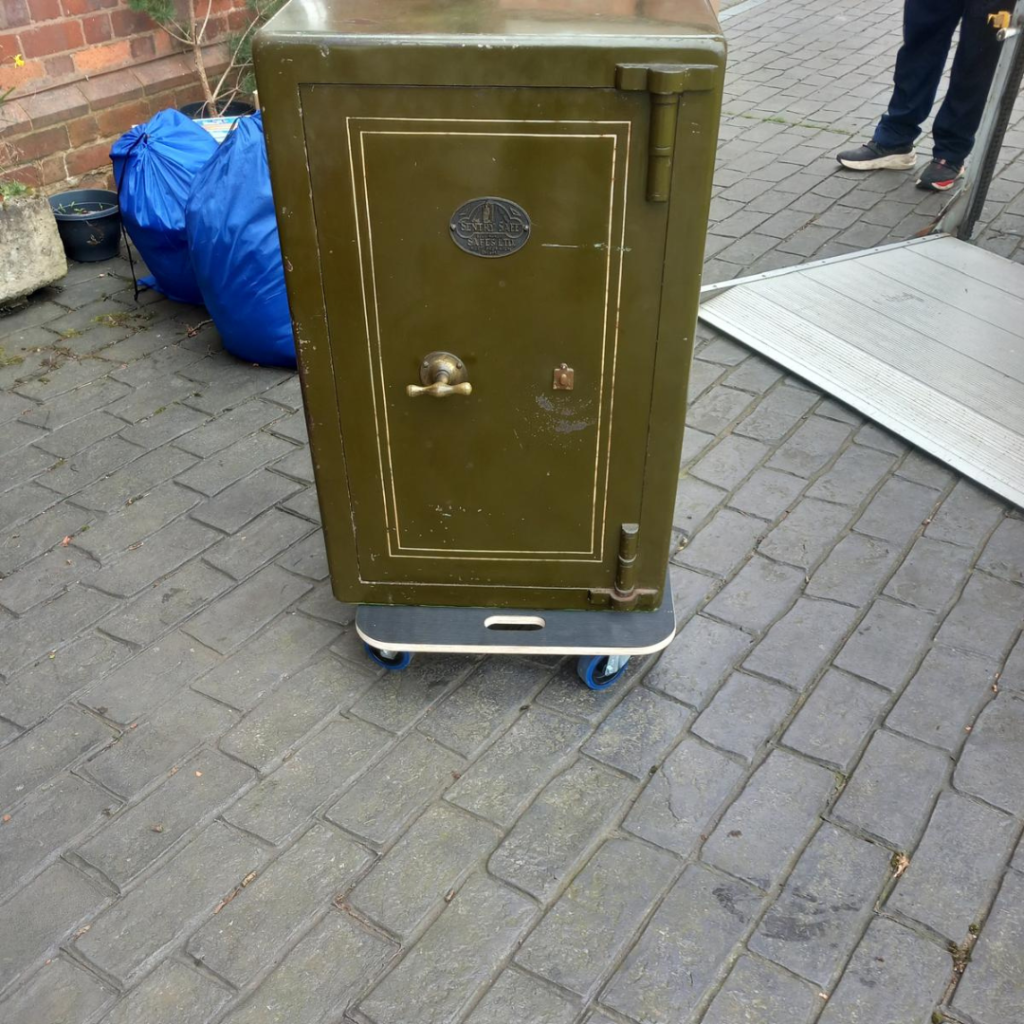
Items such as safes, vending machines, filing cabinets and commercial appliances can place large amounts of weight into relatively compact footprints.
In these situations, wheel choice, floor loading and handling control matter more, especially where thresholds, tight access routes or finished flooring are involved.
Machinery & Industrial Equipment
Industrial equipment can vary significantly in weight, footprint and centre of gravity. While some loads suit standard skate systems, heavier industrial moves may require higher-capacity machine skates or specialist systems.
Quick Questions
What is a furniture skate used for?
Furniture skates are commonly used to help move heavy or awkward items across floors with greater control and reduced lifting.
What is a piano dolly used for?
Piano dollies are commonly used for moving upright pianos and other concentrated heavy loads where stability and manoeuvrability are important.
What Is the Difference Between a Dolly, a Skate & a Furniture Mover?
The terms dolly, skate and furniture mover are often used interchangeably, but they can refer to slightly different types of equipment depending on the load and handling requirements involved.
Furniture Skates
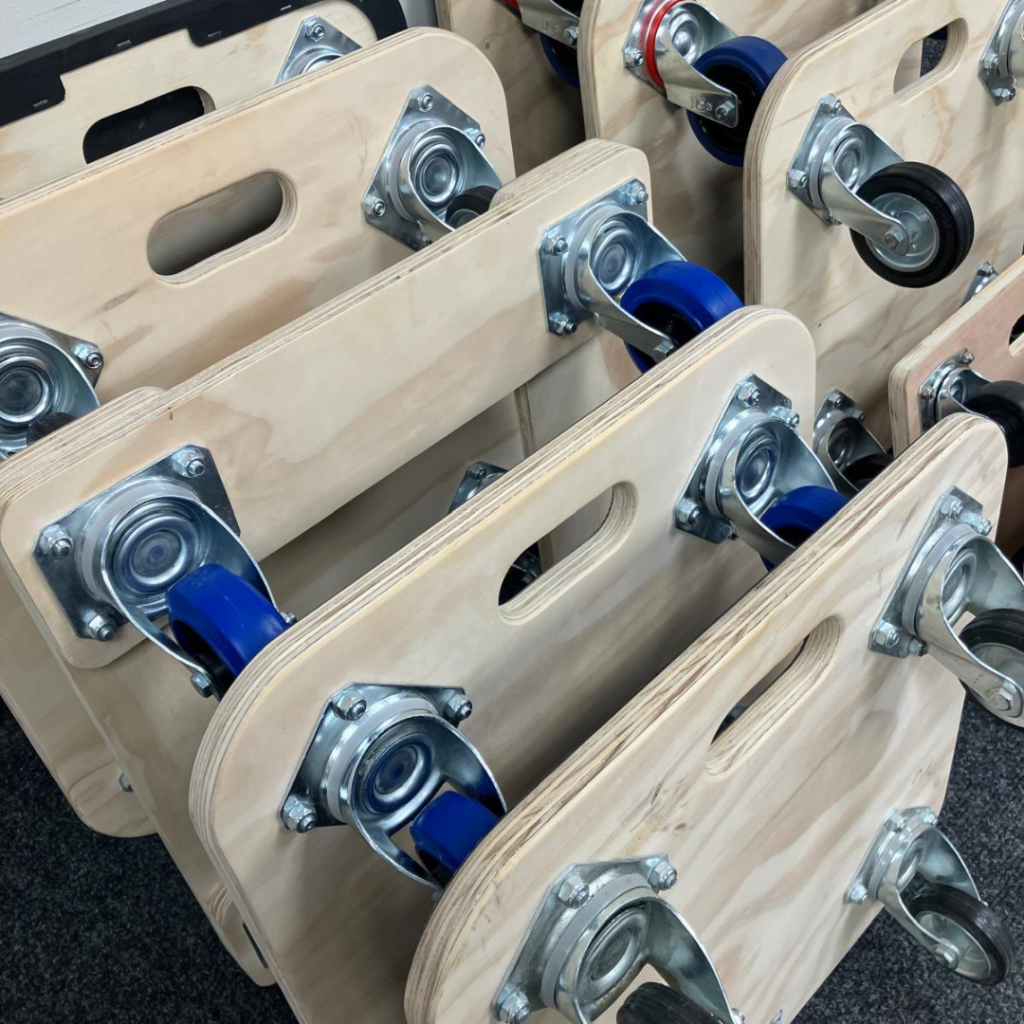
Furniture skates are low-profile wheeled platforms commonly used for moving heavy furniture, cabinets, appliances and other awkward loads across relatively smooth surfaces.
They are often chosen where:
- low overall height helps improve stability
- controlled handling is important
- the load needs to pass through tighter spaces
Some furniture skates use plain wooden platforms, while others include rubber-matted surfaces to help improve grip.
Piano Dollies
Piano dollies are designed for concentrated heavy loads such as upright pianos and other tall or weight-dense items. Compared to some general-purpose skates, they often place greater emphasis on stability, manoeuvrability and surface protection.
Furniture Movers
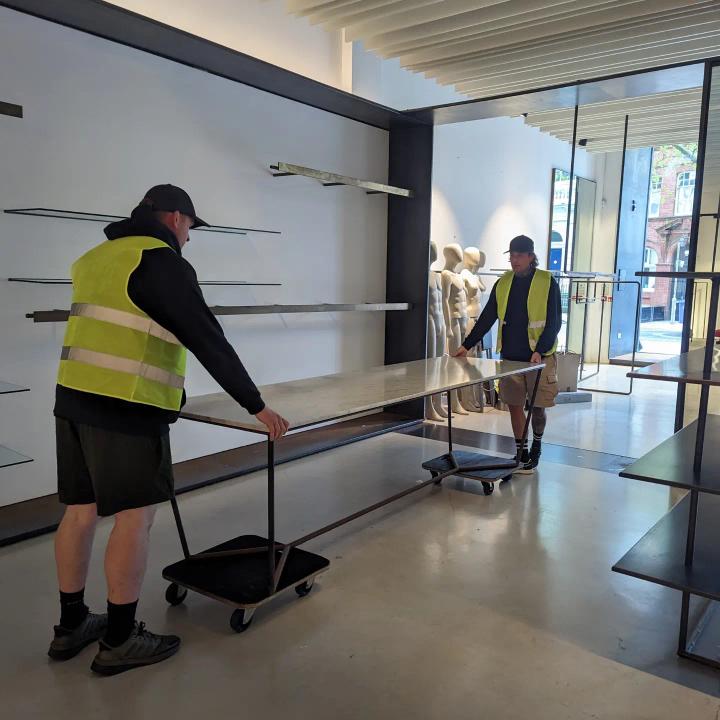
Furniture movers are generally larger and more engineered systems designed for repeated handling tasks or heavier commercial use. They are often used in removals, facilities and commercial environments where loads are moved more regularly.
Machine Skates & Specialist Systems
Machine skates are designed for heavier industrial loads including machinery and multi-tonne equipment. Specialist systems such as Skoots may also be used where large concentrated loads require greater capacity or floor protection.
Quick Questions
What is a moving dolly?
A moving dolly is a wheeled platform designed to help move heavy or awkward items with greater control and reduced lifting.
Are furniture movers the same as furniture skates?
Not always. Furniture movers are often larger or more engineered systems designed for repeated handling tasks or heavier commercial use.
When Simpler Systems Are Suitable
Not every task requires a highly specialised or heavy-duty system. In many situations, a straightforward skate or dolly setup may be entirely suitable, provided the load and route have been properly assessed beforehand.
Simple low-profile skate systems are often used for:
- office furniture moves
- appliance positioning
- cabinet relocation
- workshop rearrangement
- occasional removals work
Broad, stable loads with predictable weight distribution generally place fewer demands on the equipment than tall or top-heavy items. Thresholds, tight corners, uneven surfaces and delicate flooring can still affect how suitable a simpler setup is likely to be.
A more engineered or higher-capacity system is not automatically the better option for every task. In many situations, a simpler low-profile skate or dolly may provide exactly the level of control and manoeuvrability required.
Choosing for Load Weight, Stability & Size
Load weight is one of the first things most people consider when choosing a skate or dolly system, but weight alone rarely tells the full story. The size of the load, its stability and the way the weight is distributed can all affect how predictable the task becomes.
Tall or top-heavy loads often behave very differently compared to low, evenly balanced items. As the centre of gravity rises, maintaining control can become more important than simply achieving sufficient load capacity.
Overhang can also affect behaviour. A broad cabinet with a large footprint may spread its weight relatively evenly, while a smaller but heavier object may concentrate significant force into a smaller contact area.
Items such as safes, vending machines and industrial equipment may sometimes benefit from:
- larger wheel assemblies
- additional floor protection
- specialist systems
- more structured route planning
particularly where delicate flooring or longer routes are involved.
Quick Questions
Does load capacity alone determine the right skate or dolly?
Not always. Stability, footprint, route conditions and weight distribution can all affect which system is most suitable.
Why does centre of gravity matter?
Tall or top-heavy loads may become less stable, particularly during turns or over uneven surfaces.
Planning the Route
In many situations, handling problems are solved before the load starts moving. Route planning plays an important role in determining how controlled and predictable the task is likely to be.
Floor surfaces can affect wheel behaviour, rolling resistance, grip and floor protection requirements. Smooth hard floors may allow easier handling with lower rolling resistance, while softer or uneven surfaces may place greater demands on wheel choice and manoeuvrability.
Doorways, corridors, lifts and confined spaces can also influence how easily a load can be controlled. Long or overhanging items may require additional turning space, while thresholds and changes in floor level can affect stability once the load starts moving.
Finished flooring may require additional consideration where loads are especially heavy or concentrated. In some situations, floor protection systems may help spread the load and provide a more stable surface.
Before moving a heavy or awkward load, it is often worth checking:
- route width and access points
- floor surface changes
- thresholds and level changes
- turning space
whether additional floor protection may be required.
Quick Questions
Do floor surfaces affect wheel choice?
Yes. Different wheel materials and sizes may behave differently depending on the surface being crossed.
When should floor protection be considered?
Floor protection may matter more where loads are concentrated, surfaces are delicate or routes are longer.
Choosing Wheels & Castors
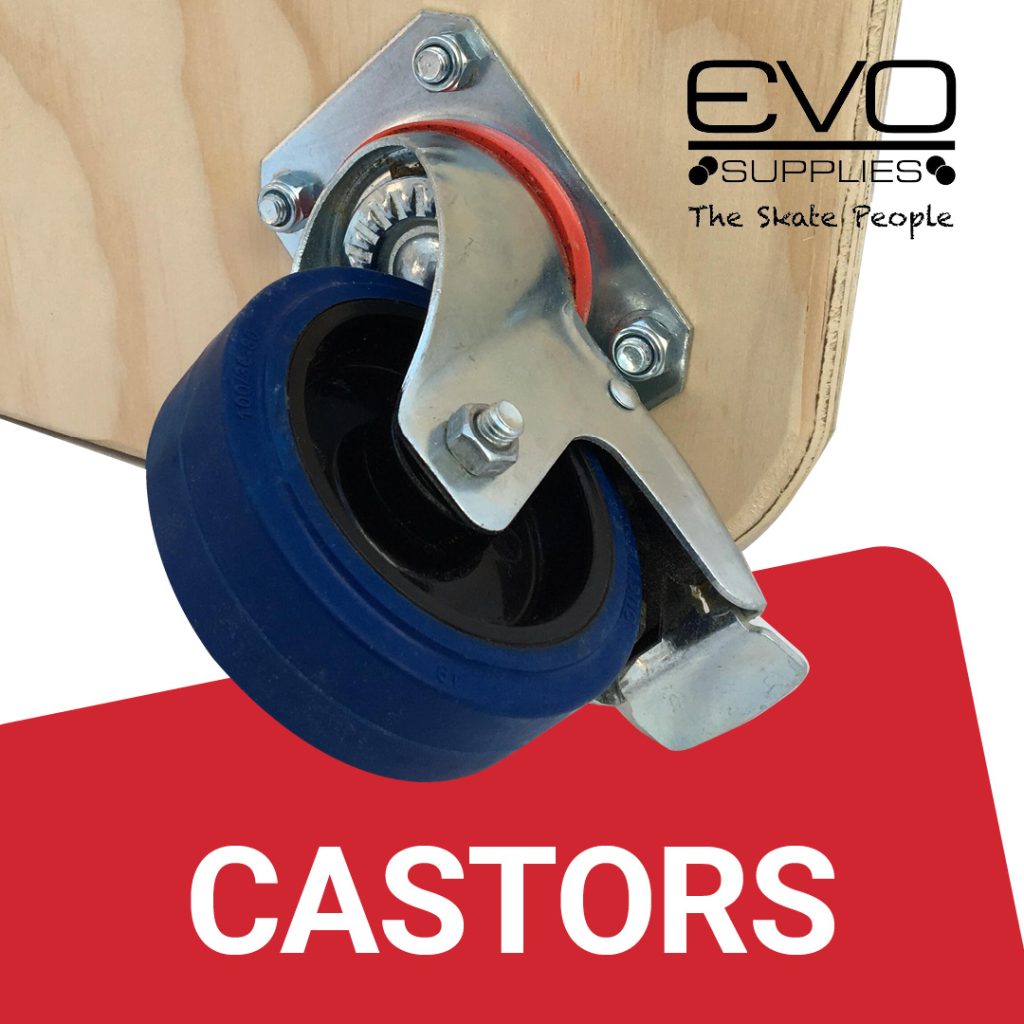
Wheel and castor choice can have a significant effect on how a skate or dolly system behaves during handling. Floor surfaces, load weight and manoeuvrability requirements can all influence which wheel type is likely to suit the task best.
Harder wheels often roll more easily across smooth hard surfaces and may provide lower rolling resistance under heavier loads. Softer wheel materials can offer improved grip, quieter operation and additional protection for finished floor surfaces.
Swivel castors are designed to rotate freely, helping improve manoeuvrability in tighter spaces and during turns. Fixed castors generally provide more controlled straight-line tracking but will require a larger turning radius.
Provided they are not overloaded, braked castors can provide additional control during loading or positioning, particularly where slight inclines or top-heavy loads are involved.
Wheel size can also affect handling behaviour. Larger wheels may help improve movement across uneven surfaces or thresholds, while smaller low-profile wheels can help maintain stability by keeping the load closer to the floor.
Quick Questions
What is the difference between swivel and fixed castors?
Swivel castors improve manoeuvrability during turns, while fixed castors help maintain straighter tracking.
Do wheel materials affect floor protection?
Yes. Different wheel materials can affect grip, non-marking ability and how pressure is distributed across the floor surface.
Platform Surfaces (Grip)
The way a load contacts the skate or dolly platform can affect grip, stability and handling control during transport.
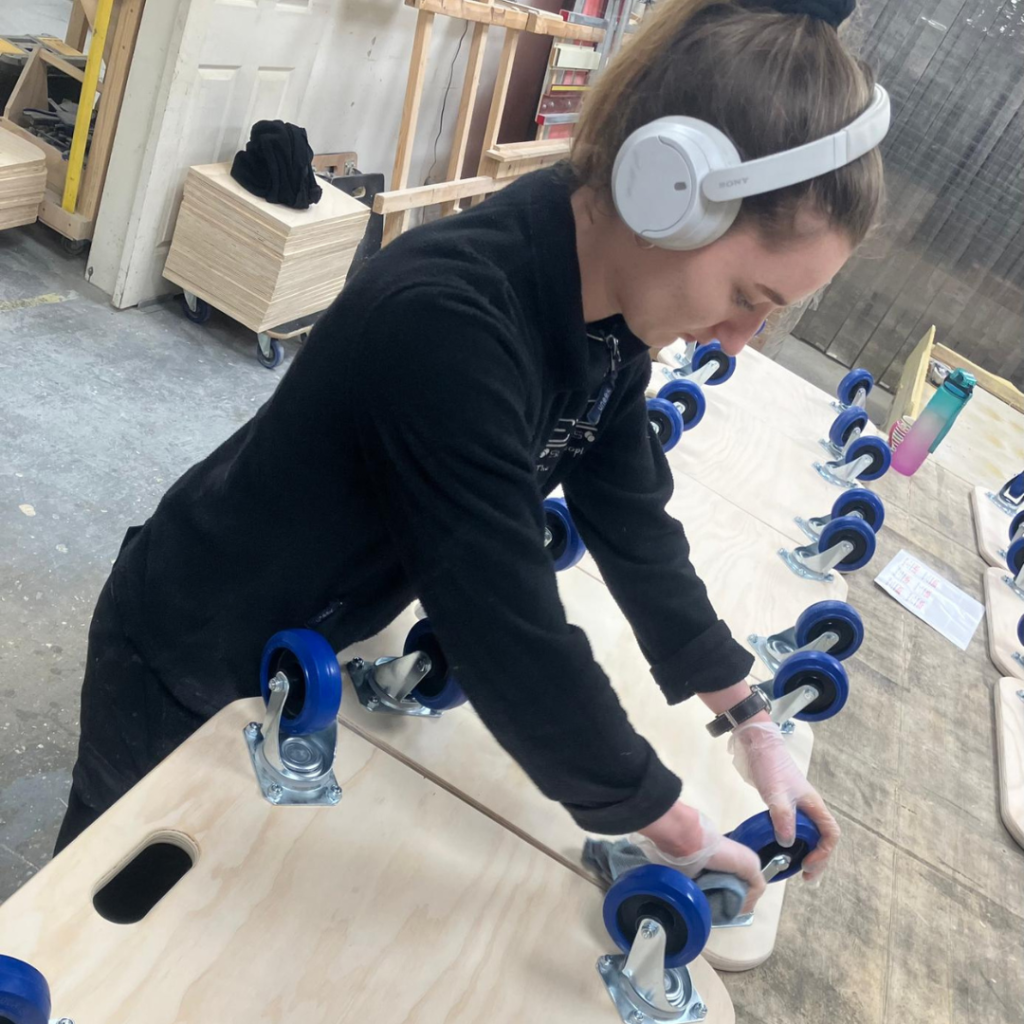
Plain wooden platforms are commonly used for general-purpose handling tasks where durability and simplicity are priorities. Rubber-matted surfaces can help improve grip and reduce unwanted movement, particularly where finished surfaces or concentrated loads are involved.
Some piano dollies also include rubber pads or side buffers to help protect finished surfaces and improve stability. A large overhanging industrial item may behave very differently compared to a finished upright piano or polished cabinet, which is why platform style can matter as much as load weight in some situations.
Using Skates & Dollies Effectively
Preparation often has as much influence on the success of a move as the equipment itself.
Before moving a load, it is worth checking:
- that the route is clear
- the load is stable
- the skate arrangement is suitable
- the floor surfaces have been considered
Controlled handling becomes more important as loads become taller, heavier or more awkward to manoeuvre. Tight turns, thresholds and surface changes can all affect how stable a load remains during transport.
Repeated commercial handling tasks may also place greater demands on manoeuvrability, wheel durability and operational convenience compared to occasional one-off moves.
When To Step Up To Heavier-Duty Systems
Some handling situations require more specialised systems designed for heavier, larger or more concentrated loads.
Machine skates often become more relevant where:
- loads are extremely heavy
- industrial environments are involved
- or routes become more demanding
Specialist systems such as Skoots may also be used where large concentrated loads require greater capacity or floor protection.
As load weights increase, route planning and floor protection often become more important alongside simple load capacity alone.
Quick Question
When should machine skates be considered?
Machine skates are commonly used for heavier industrial loads where standard skate systems may no longer provide sufficient capacity or stability.
Care, Inspection & Storage
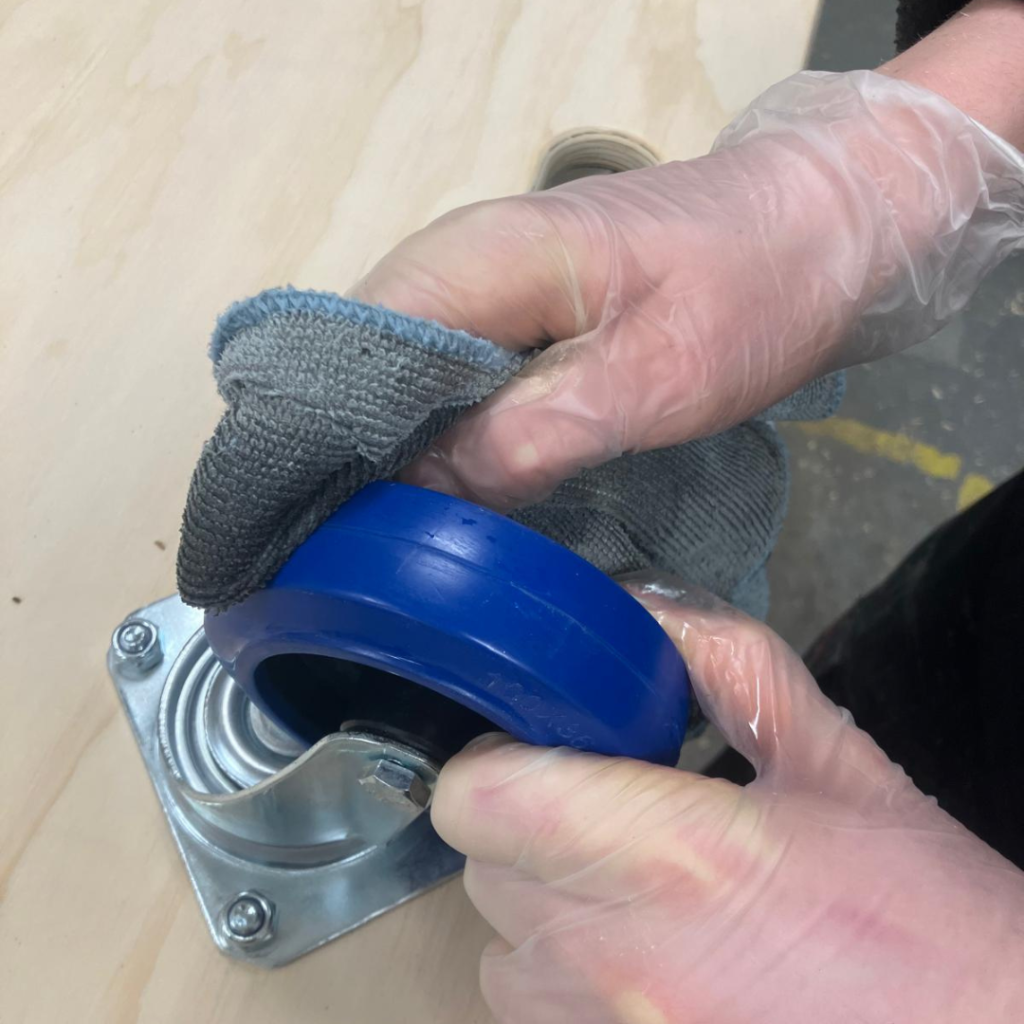
Regular inspection can help maintain smoother handling and reduce unnecessary wear over time.
It is often worth checking:
- wheel condition
- castor fixings
- debris around moving parts
- any signs of uneven wear or damage
Keeping skates and dollies clean and stored in suitable conditions can help maintain more predictable performance over longer periods of use.
Frequently Asked Questions
What is a furniture skate?
A furniture skate is a low-profile wheeled platform designed to help move heavy or awkward items with greater control and reduced lifting.
What is a piano dolly?
A piano dolly is a specialised wheeled platform commonly used for upright pianos and other concentrated heavy loads.
Are machine skates the same as furniture skates?
No. Machine skates are generally designed for heavier industrial loads and higher-capacity handling tasks.
Do rubber wheels help protect floors?
In many situations, softer wheel materials may help reduce marking and distribute pressure more gently across delicate floor surfaces.
Does weight alone determine the right handling system?
Not always. Stability, route conditions, floor surfaces and weight distribution can all affect which system is most suitable.
Why does route planning matter?
Thresholds, turns, uneven surfaces and restricted access can all affect handling control during transport.
Further Reading
You may also find these guides useful:
- How to Move an Upright Piano Safely
- How To Move Heavy Furniture Safely
- How to Pack a TV and Wrap Furniture for Moving
- How to Plan and Execute a Smooth Office Move
- Moving Safely in the Removals Industry
- The Complete Guide to Moving House
- Top 5 Rules for Safe Manual Handling
- Wooden Transport Skates – Personalisation
Disclaimer
Suitability depends on the load, route conditions and handling environment involved. Heavier or unusual loads may require additional planning, floor protection or specialist systems depending on the situation. If you are unsure, consider seeking professional assistance.