

 Call us
 Email us







£0.00
0How to Pack a TV and Wrap Furniture for Moving
Introduction
On moving day, protecting your belongings during transport becomes a top priority. Whether you’re doing it yourself or using a removals team, knowing how to pack and wrap items properly can prevent costly damage, especially to fragile electronics and bulky furniture.
To pack a TV and wrap furniture for moving, use padded layers, avoid direct tape contact, and always transport fragile items upright.
This guide is suitable for homeowners, removals teams, and anyone preparing items for safe transport. It explains step-by-step methods and equipment to prevent damage during transport.
In this guide
- How to pack a TV safely for moving
- How to wrap furniture for moving
- Key mistakes to avoid
- Equipment that helps
- Final checks before the move
- FAQs
Quick Summary
Wrap furniture fully with blankets or bubble wrap to protect against scratches. Disassemble what you can and secure all wrapping tightly. For TVs, remove cables, use padded layers (blankets and bubble wrap), and always transport upright. Avoid tape touching the furniture directly. Use the right equipment to protect both your items and yourself.
How to Pack a TV Safely for Moving
Starting with the preparation list:
- Original packaging, if you still have it
- Cable labels (always handy, particularly for this task)
- Phone (to take a photo of the TV connectors and info plate)
- Screen-sized soft cloth or microfibre sheet
- Thick blanket
- Packing tape
- Bubble wrap or corrugated cardboard
- Corner protectors
Firstly, if your TV is particularly valuable, check that it’s covered under your contents or removals insurance policy while in transit.
Modern TVs are large, thin, and fragile. To protect yours in transit, start by labelling each cable clearly and take a photo of the back of the TV to help reconnect everything later. While you are at it, take a photo of the info plate on the rear (just in case). You’ll thank yourself later. Then remove all cables, including power, HDMI and aerial leads.
Remove the TV from its stand or wall mount. If you’ve kept the original packaging (box and inserts), use it. It’s still the safest way to transport a TV.
If you haven’t kept the packaging, then lay a thick blanket flat on the floor, and place the TV in the centre, screen-side up.
For added protection, place a clean, soft cloth or microfibre sheet directly over the screen before wrapping with the blanket. This helps prevent pressure marks or scratches.
Now fold the blanket over the screen like you’re wrapping a gift, securing it gently with packing tape (avoid tape touching the screen).
Next, wrap the whole TV in bubble wrap or corrugated cardboard, and add corner protectors if available. Never lay the TV flat as this increases the risk of internal damage. Always move and transport upright.
Avoid exposing the TV to cold, damp, or rainy conditions. Always wrap it indoors and load quickly if the weather is poor.
In the van, keep the TV upright and place it against a flat, vertical surface. Cushion each side to avoid tipping or vibration in transit.
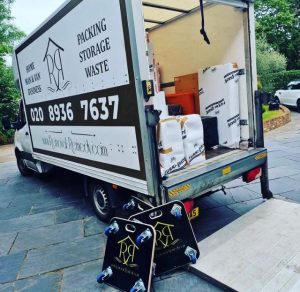
If your TV is large or heavy, use the right handling equipment to protect it and yourself. Using an Evo Skate or transport dolly from BIL Group can help move items safely.
How to Wrap Furniture for Moving
The preparation list:
- Tools to remove anything that can be removed – usually Allen or hex keys, plus assorted screwdrivers
- Phone (to take a photo of each item of furniture and any existing damage)
- Thick blankets
- Bubble wrap
- Packing tape
- Skate or dolly for heavy items
Furniture is often the most difficult to protect. Before wrapping, take photos of each piece and note any existing damage. This helps with insurance and provides a useful reference later.
Take extra care with polished or delicate finishes, as they can mark easily if the wrapping moves during transport.
Disassemble what you can: remove legs, shelves, and delicate fittings, and store small parts safely. Wrap each piece in durable removal blankets or bubble wrap, focusing on protecting corners and decorative details. Use extra layers for fragile edges and secure with tape, taking care not to stick tape directly onto surfaces.
Measure large items and doorways to plan your route in advance. This reduces the risk of bumping into walls or getting stuck in tight spots on moving day. Planning your route in advance might feel excessive, but it can save a lot of frustration on moving day.
Key mistakes to avoid
Avoiding common mistakes is just as important as using the right materials.
- Laying a TV flat during transport
This increases the risk of internal damage or the screen cracking. Always keep TVs upright. - Allowing pressure directly on a TV screen
Avoid placing pressure directly on the screen at any stage, as modern displays can be damaged even by light force.
- Applying tape directly to surfaces
Tape can leave marks or damage finishes. Always secure the wrapping, not the item itself. - Using thin or unsuitable blankets
Soft throws or household blankets might not provide enough protection and can shift during transport. - Skipping disassembly where possible
Leaving legs, shelves, or fittings attached increases the risk of breakage and makes items harder to move. - Not planning your route in advance
Tight doorways and corners can cause avoidable damage if you haven’t measured ahead of time. - Underestimating weight and handling risks
Large TVs and furniture can be awkward and heavy. Using the right equipment reduces the chance of injury and damage. - Trying to move large or fragile items on your own
TVs and bulky furniture are often awkward to handle. Having help or using the right equipment reduces the risk of damage and injury. Larger TVs (e.g. 55” and above) are typically a two-person lift due to their size and fragility.
Equipment that helps
According to BIL Group’s handling specialists, using the right equipment significantly reduces both damage risk and manual strain during moves.
BIL Group supplies professional-grade aluminium and wooden piano dollies as well as wooden transport skates, trusted by removals teams across the UK. If you need help choosing the right moving equipment for your job, our team is ready to help.
Final Checks Before the Move
Make sure every item is wrapped securely with no trailing blanket edges or loose tape. These can be trip hazards. Have a checklist ready for all major items and keep any tools or fixings with you so they don’t go missing mid-move.
For heavy or awkward items, consider using skates or trolleys. These reduce manual lifting and protect both your belongings and your back. Evo Skates were designed specifically for removals.
If you’re planning a full move, you may also find our house move guide useful.
FAQs
Q: Should I lay my TV flat when moving it?
A: No. Always keep your TV upright to protect internal components and avoid cracking the screen.
Q: Can I use any blanket to wrap furniture?
A: Use durable, tear-resistant removal blankets – not soft throws or bed blankets, which can rip or slide off during transport.
Q: What’s the best way to protect furniture corners?
A: Wrap with extra layers of bubble wrap or corrugated cardboard, or use purpose-made corner protectors if available.
Q: Should I tape wrapping directly onto furniture?
A: No. Always tape over the wrapping only, as tape can leave marks or cause damage if stuck to the furniture surface.
Q: Do I need special gear to move a TV or a large dresser?
A: It’s highly recommended. Using skates, dollies or trolleys makes heavy lifting safer and helps avoid accidents.
Q: What is the safest method of moving items like TVs and furniture that are fragile?
A: Layered protection using blankets, bubble wrap and/or corrugated cardboard. Avoid direct contact with tape. Keep items upright where required and secure everything during transport to prevent movement.
Disclaimer
This guide provides general advice for packing TVs and furniture for moving. Every move is different, and conditions may vary. If you are unsure or handling particularly heavy or valuable items, consider seeking professional assistance.